AppetizersLebanese fattoush salad with crisp vegetables, toasted pita and sumac dressing
Middle Eastern · Appetizers

Fattoush Salad

This fattoush is fresh, crunchy, and full of bright flavor from crisp vegetables, toasted pita, and a tangy homemade dressing. It’s the perfect refreshing salad to serve alongside any meal.

5.0 (5 reviews)
40m
Prep
10m
Cook
50m
Total
10
Serves
easy
Level
Jump to recipe ↓

How to Make Fattoush Salad

  1. Prepare the pita chips
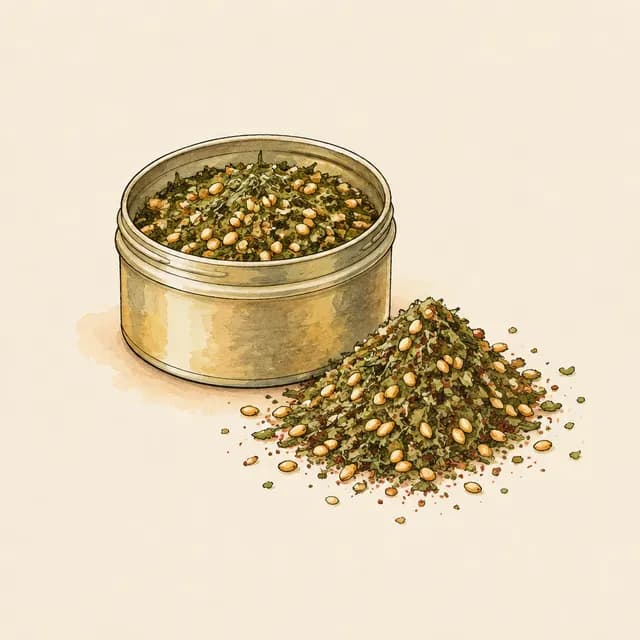
    Cut the pita bread into pieces and place them on a baking sheet. Drizzle with olive oil and sprinkle with zaatar. Toss well, then bake until golden and crisp.
  2. Prepare the vegetables
    Chop the romaine lettuce, red bell pepper, cucumbers, cherry tomatoes, green onions, mint, and radish. Add everything to a large bowl.
  3. Make the dressing
    In a small bowl or jar, whisk together the olive oil, lemon juice, pomegranate molasses, garlic, salt, and sumac until well combined.
  4. Assemble the salad
    Pour the dressing over the vegetables and toss well. Add the toasted pita pieces right before serving so they stay crisp.

Made this?

Tap a star and let the next cook know how it turned out.

5.0 (5 reviews)

About Fattoush Salad

Fattoush is the Levantine salad that turns simple vegetables into something you actually crave. Crisp lettuce, cucumber, tomato, radish, and herbs, all tossed in a bright, lemony dressing and finished with shards of toasted or fried pita. It's fresh and sharp, and those crunchy pita pieces are what make it unmistakably fattoush.

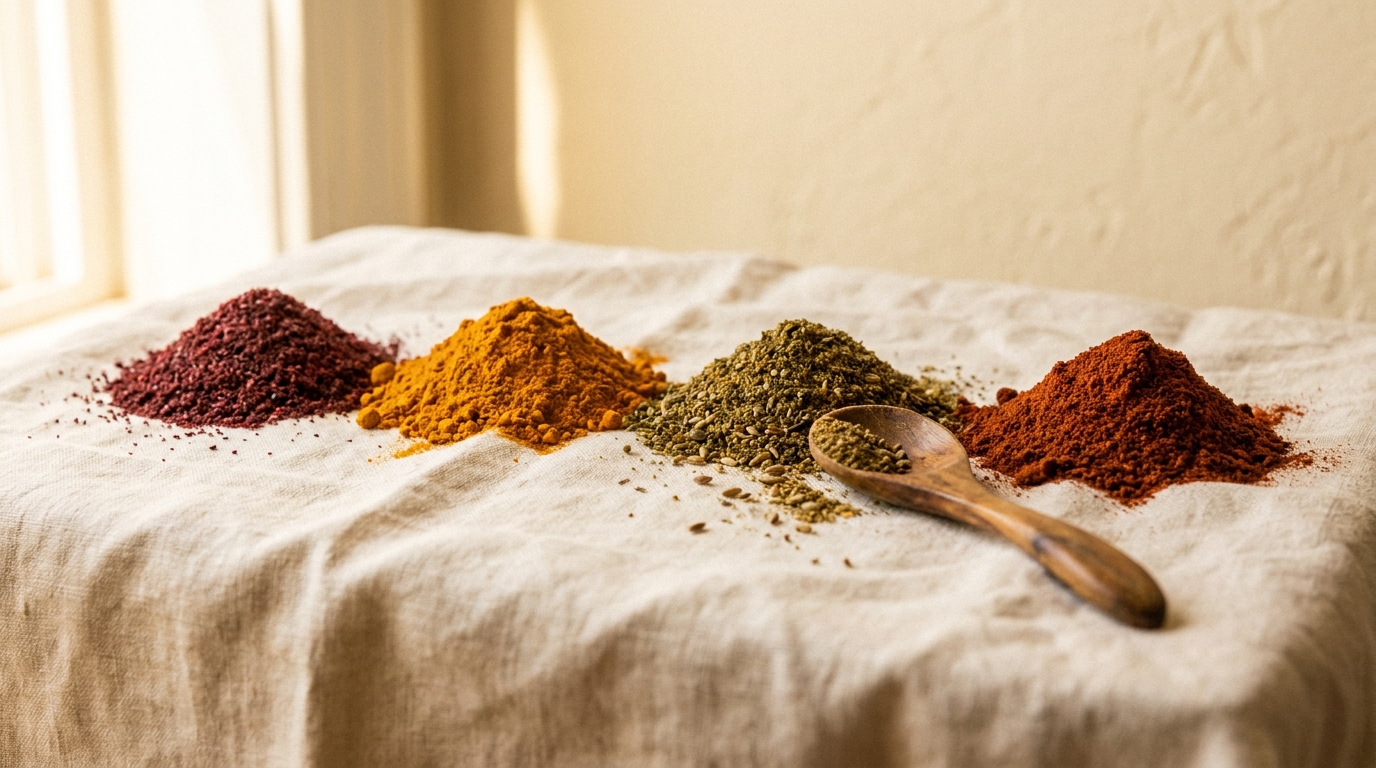
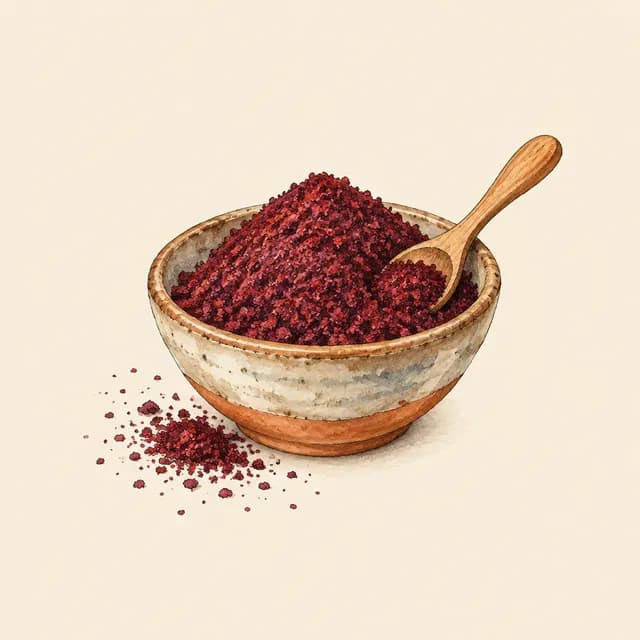
The flavour that ties it all together is sumac, a tangy, deep-red spice with a lemony, almost cranberry-like sourness. It goes into the dressing and gets dusted over the top, and along with a good glug of olive oil and plenty of fresh lemon, it gives fattoush its signature brightness. Pomegranate molasses, if you have it, adds a sweet-tart depth.

I make this all summer long, and it's the salad I bring to every gathering. It's the traditional partner to grilled meats and a fixture on the Ramadan table, but honestly it's good with almost anything, or just on its own with extra pita on top.

Per serving
  • 220Calories
  • 5gProtein
  • 14gFat
  • 22gCarbs
estimated

Fattoush Salad Tips and Notes

Why you'll love it

  • Bright, fresh, and crunchy, the salad people actually go back for.
  • Sumac and lemon give it that signature tangy Levantine flavour.
  • A brilliant way to use up day-old pita instead of wasting it.
  • Naturally vegan and easily made gluten-free.
  • The perfect partner to grilled meats, or a star of any mezze spread.
  • Quick to throw together, with no cooking beyond crisping the pita.

Ingredient notes

Sumac: the essential spice here, tangy and lemony. Find it at any Middle Eastern grocer. It goes in the dressing and over the top, so don't skip it.

Pita: day-old or slightly stale pita crisps up best. Toast or fry it until golden and shatteringly crisp.

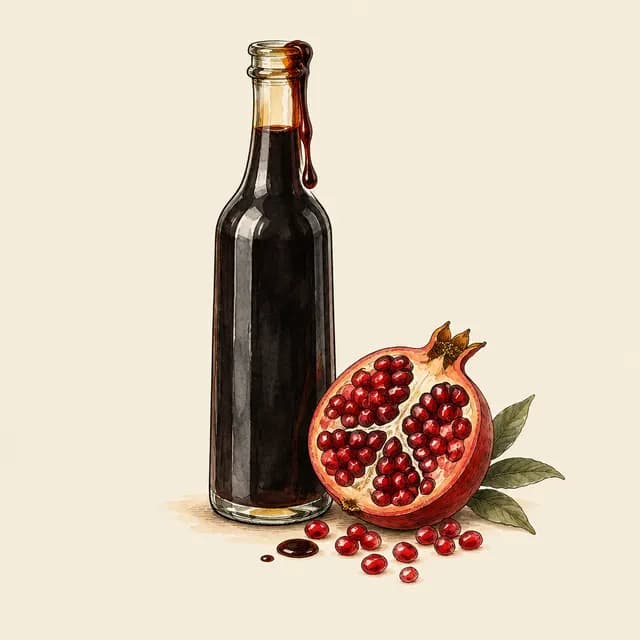
Pomegranate molasses: optional but special, adding a sweet-tart depth to the dressing. A little goes a long way.

Vegetables: use the freshest you can. Crisp romaine, firm cucumber and tomato, and peppery radish are classic.

Tips & tricks

Crisp the pita well and add it at the very last minute so it stays crunchy instead of going soft in the dressing.

Dress the salad just before serving. Fattoush is best fresh, and sitting in dressing wilts the greens.

Be generous with the sumac and lemon. The tangy brightness is the whole point of fattoush.

Cut the vegetables into similar bite-size pieces so you get a bit of everything in each forkful.

Storage & make-ahead

Best fresh: fattoush really is a make-and-eat salad, since the pita softens and the greens wilt once dressed.

Prep ahead: chop the vegetables and mix the dressing separately up to a day ahead, and crisp the pita in advance. Toss everything together just before serving.

Leftovers: undressed chopped vegetables keep for a day in the fridge, but add fresh pita and dressing when you serve them again.

Variations

Add protein: top with grilled chicken, halloumi, or chickpeas to turn it into a full meal.

Herb-heavy: load in extra mint, parsley, and purslane for a greener, more traditional version.

Gluten-free: swap the pita for crisped gluten-free flatbread or toasted seeds for crunch.

Extra tang: add a spoonful of pomegranate molasses and a scatter of pomegranate seeds for sweetness and colour.

Learn the staples

Master the Middle Eastern basics

Fattoush Salad FAQs

Fattoush is a Levantine bread salad made with crisp vegetables, fresh herbs, and pieces of toasted or fried pita, tossed in a tangy lemon and sumac dressing. The crunchy pita and the sumac are what make it distinctly fattoush.
Both are Levantine salads, but tabbouleh is herb-based, mostly parsley and mint with bulgur, while fattoush is a vegetable salad built around crisp pita and a sumac-lemon dressing.
Sumac is a tangy, lemony red spice central to fattoush. If you can't find it, extra fresh lemon juice and a little lemon zest will add brightness, though they won't fully replicate sumac's deep, slightly fruity sourness.
Toast or fry the pita until golden and crisp, and add it to the salad at the very last moment, right before serving, so it doesn't soak up the dressing and go soft.
You can prep the parts ahead: chop the vegetables, mix the dressing, and crisp the pita separately. Toss everything together just before serving, because dressed fattoush wilts and the pita softens quickly.
It's largely fresh vegetables and herbs dressed with olive oil and lemon, so it's light and nutritious. It's naturally vegan and can easily be made gluten-free by swapping the pita.
It's the classic partner to grilled meats and kebabs, a staple on the Ramadan and mezze table, and pairs well with almost any Middle Eastern main, from kabsa to grilled chicken.
Pomegranate molasses is a thick, sweet-tart syrup made from reduced pomegranate juice. It's optional but adds a lovely depth to the dressing. Without it, lean on extra lemon and sumac for tang.
Join in

Reviews & Tips

Loading reviews…