Most of the flavour in Middle Eastern cooking comes from the pantry, not from complicated technique. Once you have a handful of the right spices, a good olive oil, and a couple of the basics, half the recipes on this site are already within reach.
You don't need to buy it all at once. Start with a few things, cook with them until they run out, then add the next one. Here's what I keep on my shelf and what each one is actually for.
The spices that do the real work
Cumin is the backbone. Warm and earthy, it's in almost everything savoury, from kabsa to kofta to a pot of lentils. I keep both ground and whole seeds. Toast the whole seeds in a dry pan for a minute before you grind them and the difference is not subtle.
Coriander is cumin's brighter partner, a little citrusy, a little sweet. The two go together in most spice mixes, so if you buy one, buy both.
Allspice is the one people miss. In Levantine cooking it's the warm, sweet-savoury note behind so many meat dishes, and it's the base of the seven-spice blend (baharat) that flavours stuffed vegetables, rice, and stews. If your Middle Eastern food tastes close but not quite right, this is often what's missing. It's the warm note in the beef for kafta tacos.
Cinnamon isn't just for dessert here. A small amount in a beef or lamb stew, or in rice, rounds everything out. Use less than you think.
Paprika earns its place for colour and a mild sweetness, and it's forgiving, which makes it a good one to start with.
Two things that make food taste "Middle Eastern" instantly
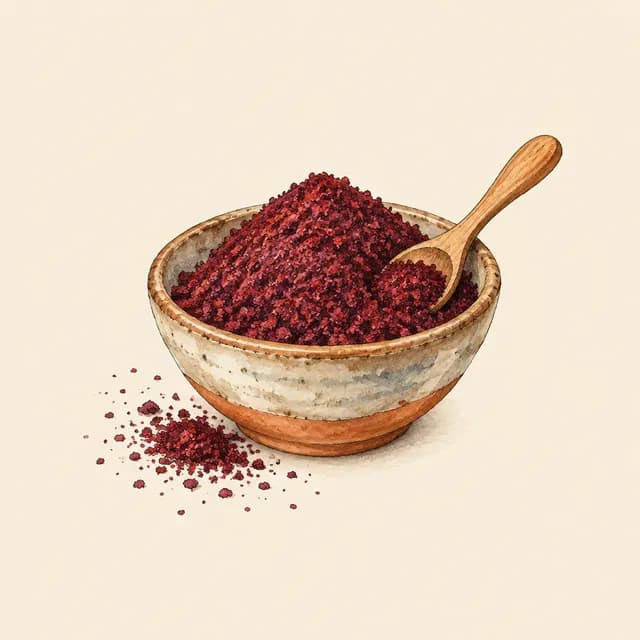
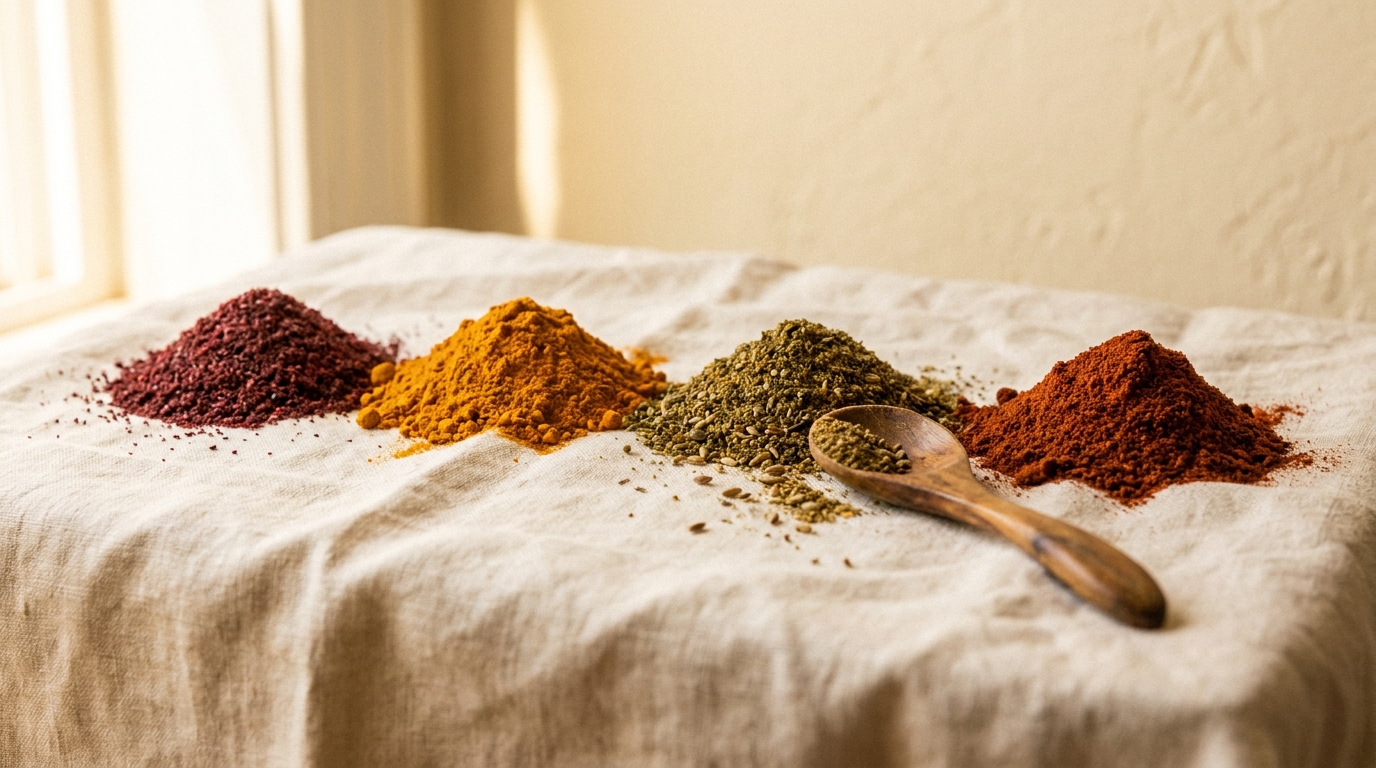
Sumac is dried, ground sumac berries: deep red, sharply lemony, with none of the wetness of actual lemon. A pinch over hummus, grilled meat, or a plain cucumber-and-tomato salad and it tastes like it came from a good restaurant. It's what makes my fattoush taste like fattoush.
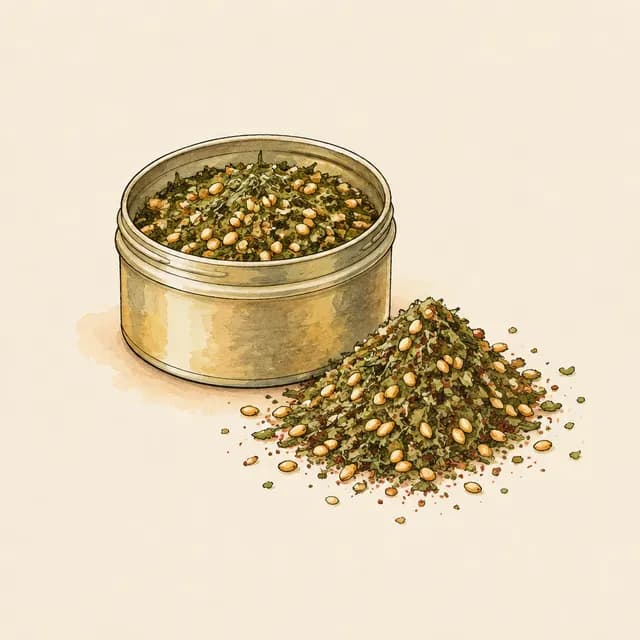
Za'atar is the blend: thyme, sumac, toasted sesame, a little salt. Stir it into olive oil and dip warm bread, or rub it on chicken before roasting. It's the fastest way to make something taste finished.
The pantry backbone
A good extra-virgin olive oil is non-negotiable. It's your cooking oil, your finishing oil, and half the flavour of most dips. Buy the best one you'll actually use every day.
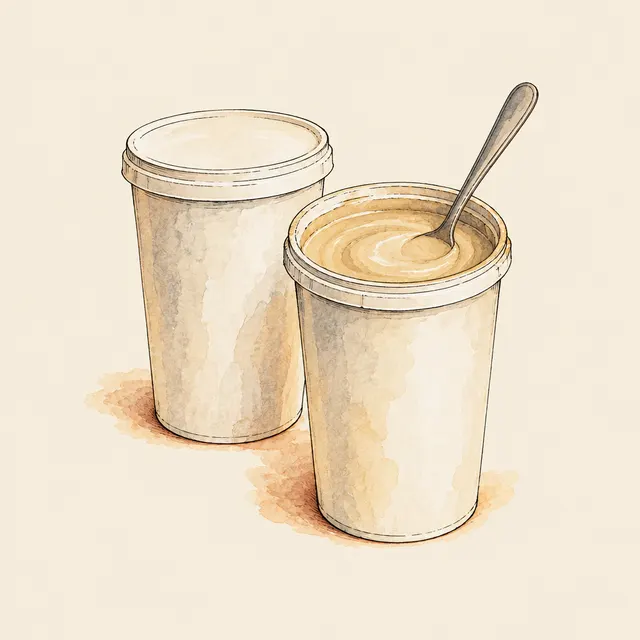
Tahini, the sesame paste, is the base of hummus, of the yogurt-tahini sauce I spoon under my kebab rolls, and of a dozen quick dressings. Buy a smooth, pourable one made from hulled sesame. If it separates in the jar, stir it back together (a fork works) and keep it in the fridge once it's open.
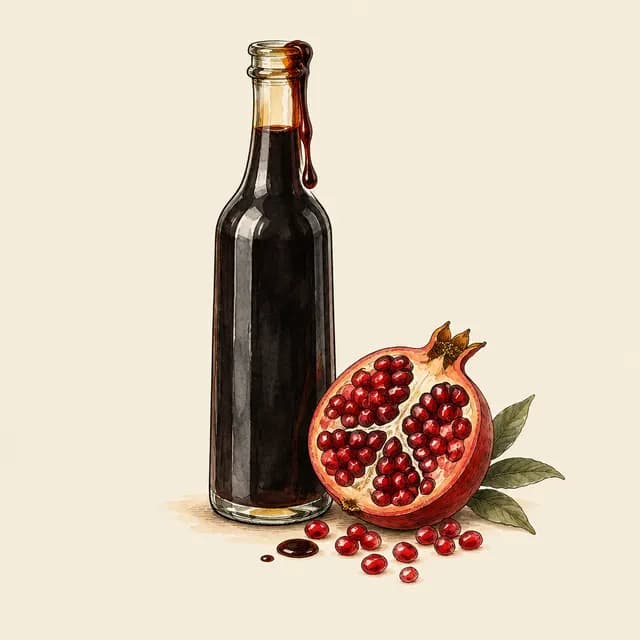
Pomegranate molasses is the sleeper. Thick, tangy, sweet and sour, it does for Middle Eastern food what good balsamic does for Italian. A spoonful in a marinade or a salad dressing adds a depth that's hard to place and impossible to fake. Two tablespoons go into the onion and sumac mixture for fattet musakhan.
Tomato paste goes into stews, sauces, and rice for body and richness. I keep it in a tube in the fridge so I can use a spoonful without opening a whole can. Cooked down with garlic, it is how shakshuka starts.
Grains and legumes to keep stocked
Basmati rice for pilafs and anything you want fragrant and separate. If yours comes out sticky, it's almost always the rinse and the water ratio, which I walk through in my basmati rice guide.
Bulgur, the cracked wheat, cooks faster than rice. Fine bulgur for tabbouleh, coarse for pilafs and as a side. Coarse bulgur is what the pilaf in Turkish bulgur and adana kebab is made from.
Chickpeas for hummus, falafel, and stews. Canned for weeknights, dried if you want the best texture and don't mind the soak.
Lentils, brown and red. Brown hold their shape for soups and mujadara; red break down into something creamy and quick.
A few more worth having
Plain full-fat yogurt (and labneh, if you can find it) for cooling sauces, marinades, and spooning alongside anything spiced. Dried mint, which shows up in soups and yogurt dishes more than fresh does. And if you bake, a small bottle of orange blossom or rose water goes a long way in Middle Eastern sweets.
Where to buy it, and how to keep it
Your best source is a Middle Eastern or other ethnic grocer: fresher spices, better tahini, better prices, and they'll point you to the good brands if you ask. Most big supermarkets now carry tahini, bulgur, sumac, and za'atar in the international aisle, and anything obscure is a search away online.
Store ground spices in something airtight, away from heat and light, and try to use them within a year (whole spices last longer). Keep olive oil somewhere cool and dark so it doesn't go rancid. Tahini and pomegranate molasses go in the fridge once opened. Grains and dried legumes keep for a long time in sealed jars.
Start with cumin, coriander, sumac, olive oil, and tahini, and you can already cook a good chunk of what's on this site. Add pomegranate molasses and za'atar next, then the rest as you go. The pantry builds itself once you start cooking from it.
New here? Read Why I Started Simply by Maha.