Basmati is the rice I reach for most, and it's the base of so many of the dishes I love. But it has a reputation for turning out sticky or mushy, and it really doesn't have to.
Get a few small things right and you'll have fluffy, fragrant rice with long, separate grains every single time. Here's exactly how I do it.
The quick version
The basmati rice water ratio is 1.5 cups of water to 1 cup of rice for the stovetop method on this page, once the rice has been rinsed and soaked. Skip the soak and it takes 1.75 cups. By weight, that is about 355 ml of water for 185 g of rice, the weight USDA FoodData Central gives for a cup of raw long-grain white rice.
A rice cooker, an Instant Pot and the boil-and-drain method each use their own amounts, listed in the next section.
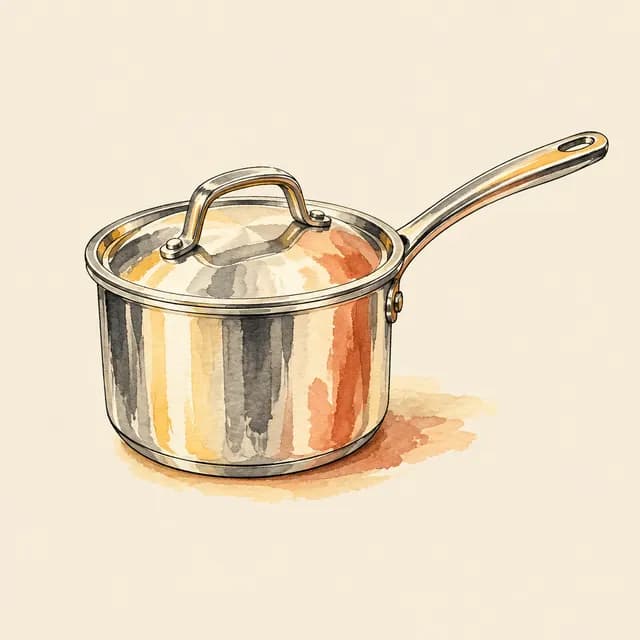
Rinse 1 cup of basmati rice until the water runs clear, then soak it for 20 to 30 minutes and drain. Add it to a pot with 1.5 cups of fresh water and a pinch of salt. Bring it to a boil, then turn the heat right down, cover with a tight lid, and simmer gently for 12 to 15 minutes without lifting the lid.
Take it off the heat and let it sit, still covered, for 10 minutes, then fluff with a fork. The rinse removes the surface starch that makes rice gummy, the soak helps the grains cook evenly and stay long and separate, and the rest at the end lets the steam finish the job. That's the whole secret to fluffy basmati.
Basmati rice water ratio by method
Each ratio below goes with its own method's steps, so keep the two together.
- Stovetop, rinsed and soaked: 1.5 cups of water per cup of rice, simmered covered for 12 to 15 minutes and rested for 10. This is the method on this page.
- Stovetop, rinsed, not soaked: 1.75 cups of water per cup of rice.
- Covered pan, by weight: Tilda, the basmati producer, uses "a 2 to 1 water to rice ratio" by weight, 240 ml of water for 120 g of washed rice. It cooks covered over low heat for 10 to 12 minutes, then stands for 3 minutes with the lid on.
- US-grown basmati: the USA Rice Federation lists 2 parts liquid to 1 part rice for white U.S. basmati, cooked for 15 to 18 minutes.
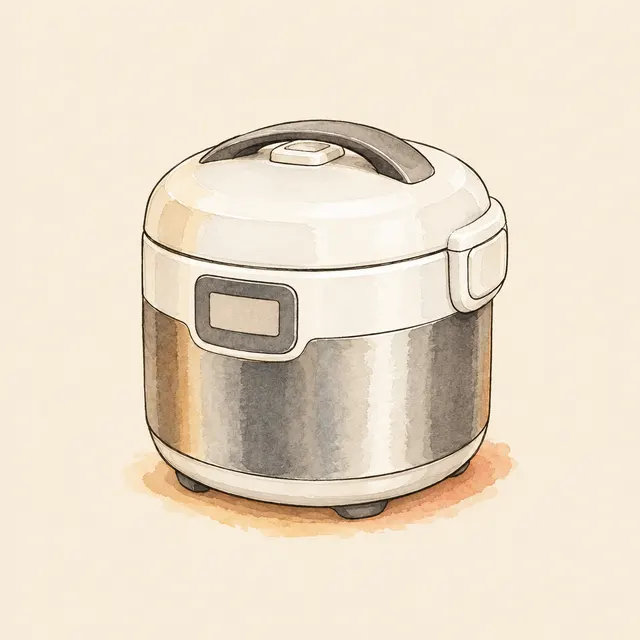
- Rice cooker: Zojirushi gives 1 1/2 cups of water per cup of white basmati, both measured with the cup that comes with the cooker.
- Instant Pot: the manufacturer's basic basmati rice recipe uses equal amounts of rinsed rice and water, 5 minutes of pressure cooking and a 10-minute natural release. Its other basmati recipe uses 1 1/2 cups of water per cup of rice for 3 minutes.
- Boil and drain: Tilda's open-pan method boils 120 g of washed rice in at least 500 ml of water, uncovered, for 10 to 12 minutes, then drains it. Tilda sets only a minimum, because the extra water is poured away.
What makes basmati rice different?
Basmati is a long-grain aromatic rice grown in India and Pakistan. What sets it apart is that the grains actually lengthen as they cook and stay separate rather than clumping, with a gentle nutty, floral aroma. Because the grains are long and delicate, basmati rewards a little care: rinse it, give it a soak, and treat it gently while it cooks.
Beyond Celiac's guide to rice sorts rice by grain length, listing basmati with the long-grain rices, arborio with the medium-grain and sushi rice with the short-grain. The difference shows in the pot: Zojirushi notes that long-grain rice tends to stay separate after cooking, while short and medium-grain rice tend to stick together.
They take different amounts of water, too. Zojirushi marks the inside of its cooking pans for short and medium-grain white rice, and gives basmati a separate measure. Jasmine, the other long-grain aromatic rice, cooks softer and stickier; the differences are set out in basmati vs jasmine rice.
Why you should rinse and soak basmati rice
These two steps are what most fluffy-rice failures come down to.
- Rinsing washes off the loose surface starch that makes grains stick together and turn gluey. Swirl the rice in cool water and pour it off a few times until the water runs almost clear.
- Soaking for 20 to 30 minutes lets the grains drink in some water before they hit the heat, so they cook evenly and stretch out long instead of cracking. If you're truly out of time you can skip the soak, but never skip the rinse.
Soaking shortens the cooking as well. Wikipedia's basmati entry says a 30-minute soak permits 20% shorter cooking times and keeps more of 2-acetyl-1-pyrroline, the compound behind basmati's aroma.
What is the right water-to-rice ratio?
Basmati needs less water than people expect. For soaked basmati, use about 1.5 cups of water to every 1 cup of rice. If you didn't soak it, nudge that up slightly, closer to 1.75 cups. Too much water is the number one reason rice turns out mushy, so measure rather than eyeball it.
Basmati rice ratio by weight, in grams and millilitres
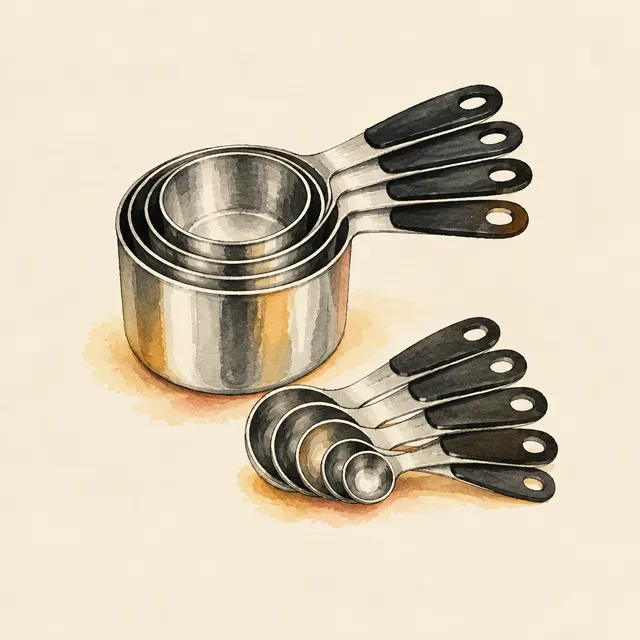
Weighing takes the size of the cup out of the question. USDA FoodData Central puts a cup of raw long-grain white rice at 185 g, and a US cup holds 236.6 ml, according to Wikipedia's entry on the cup. For the stovetop method on this page, that gives:
- Soaked: 185 g of rice to 355 ml of water, about 190 ml per 100 g of rice.
- Unsoaked: 185 g of rice to 414 ml of water, about 225 ml per 100 g of rice.
- Tilda's covered pan, unsoaked: 120 g of rice to 240 ml of water, or 200 ml per 100 g.
Tilda writes its water as "240g/ml", treating grams and millilitres of water as the same, so one kitchen scale measures both. Its "2 to 1" sounds like a lot more water than this page uses, but by USDA's figure 120 g of rice is about two-thirds of a US cup. Measured by volume, Tilda's ratio comes out at roughly 1.5 cups of water per cup of rice.
How much water for 1, 2 or 3 cups of basmati rice?
The water scales with the rice. The cooked yields below use the USA Rice Federation's rule that "1 cup dry rice = 3 cups cooked rice". The servings use the FDA's reference amount for plain rice, 45 g dry, which sets the serving size on US Nutrition Facts labels under 21 CFR 101.12.
- 1 cup of dry rice (185 g): 1.5 cups (355 ml) of water if soaked, 1.75 cups (414 ml) if not. About 3 cups cooked, or about 4 label servings.
- 2 cups of dry rice (370 g): 3 cups (710 ml) of water if soaked, 3.5 cups (828 ml) if not. About 6 cups cooked, or about 8 label servings.
- 3 cups of dry rice (555 g): 4.5 cups (1,065 ml) of water if soaked, 5.25 cups (1,242 ml) if not. About 9 cups cooked, or about 12 label servings.
A label serving is small. The chicken kabsa on this site cooks 2 cups of basmati to serve 4, with the chicken on top.
Why recipes give different ratios
Search for a basmati rice water ratio and you will find 1 to 1, 1 to 1.5 and 1 to 2. The sources on this page use all three. Most of the gap comes from what each recipe measures, and what it does before and after the pot goes on.
- Weight or volume. Tilda's 2 to 1 is by weight. By volume it lands near 1.5 to 1, as worked out above.
- The size of the cup. A US cup is 236.6 ml. Australia, Canada and New Zealand use a 250 ml metric cup, and the cups sold with rice cookers hold about 180 ml, according to Wikipedia. A ratio still works when the rice and the water go in the same cup. It breaks when a recipe measures the rice one way and the water another.
- Soaked or not. Soaked grains have already taken up some water, and this page adds a quarter cup when the soak is skipped.
- The age of the rice. A 2015 review in the International Journal of Food Properties by Golam Faruq, Zakaria Hossain Prodhan and Arash Nezhadahmadi lists water absorption and kernel expansion among the cooking traits that change as rice ages after harvest. Two bags can behave differently at the same ratio.
- Absorption or drain. An absorption recipe has to get the water right, because none of it is poured away. A boil-and-drain recipe only needs enough.
- Pressure. Instant Pot's basic basmati recipe uses 1 to 1, the lowest ratio on this page, and its other basmati recipe uses 1 to 1.5.
- The lid and the rest. This page rests the rice for 10 minutes, covered. Tilda's covered pan stands for 3. Every peek under the lid lets steam out, as the mistakes list below explains.
If a new bag of rice cooks up wetter or firmer than the last one at the same ratio, change the water a little next time and keep the soak and the rest the same, so the water is the only thing that changed.
How to cook basmati rice on the stove, step by step
- Measure 1 cup of basmati rice and rinse it in cool water, swirling and draining, until the water runs clear (usually 3 to 4 changes of water).
- Cover the rinsed rice with fresh water and soak for 20 to 30 minutes, then drain well.
- Add the drained rice to a pot with 1.5 cups of fresh water and a pinch of salt. A small knob of butter or splash of oil is optional but nice.
- Bring to a boil over medium-high heat, then immediately turn the heat to low and cover with a tight lid.
- Simmer, covered and undisturbed, for 12 to 15 minutes. Don't lift the lid, you need that trapped steam.
- Turn off the heat and let the rice rest, still covered, for 10 minutes. This is the step most people skip, and it's what makes it fluffy.
- Fluff gently with a fork to separate the grains, and serve.
How to cook basmati rice in a rice cooker
These steps follow Zojirushi's instructions for white basmati in its NS-ZCC18 cooker. Zojirushi says the instructions differ from model to model, so check the page or the manual for yours.
- Measure the rice with the cup that came with the cooker, filled to overflowing and levelled off. Zojirushi's rice cooker FAQ describes it as a 6-ounce cup, three-quarters of a US cup.
- Rinse it. Zojirushi's method is to cover the rice with plenty of cold water and drain it straight away, stir the wet rice in a circle about 30 times, then add water and drain. Repeat that 2 to 3 times.
- Add 1 1/2 cups of water for every cup of rice, measured with the same cup. Ignore the water lines in the pan, which Zojirushi designs for short and medium-grain white rice.
- Choose the WHITE setting and start the cooker. The NS-ZCC18 takes 1 to 4 cups of basmati at a time.
- When it finishes, fluff the rice with a fork.
Zojirushi's Micom models soak the rice for about 30 minutes and steam it for about 15 as part of the cycle, which is why they can take longer than the stove. Its conventional cookers are built mainly for short and medium-grain white rice, and Zojirushi says these water ratios will not work with them. For any other brand, follow the ratio in its manual.
How to cook basmati rice in an Instant Pot
These steps are from Instant Pot's basic basmati rice recipe, which makes 6 servings from 2 cups of rice.
- Measure 2 cups of basmati and rinse it under cool running water until the water runs clear, about 2 to 3 minutes.
- Drain it well and put it in the pot with 1 teaspoon of salt.
- Using the same measuring cup, add 2 cups of cool water. Close and lock the lid.
- Select Pressure Cook and set the time to 5 minutes.
- When the time is up, let the pressure release naturally for 10 minutes, then turn the valve to release what is left.
- Fluff the rice with a fork.
Instant Pot's other basmati recipe does not mention rinsing. It cooks 1 cup of basmati with 1 1/2 cups of cold water and 1 teaspoon of salt at High pressure for 3 minutes, with the same 10-minute natural release, for 4 servings. Neither recipe soaks the rice.
How to boil basmati rice and drain it
The open-pan method cooks basmati like pasta, in more water than the grains can take up. A slightly wrong measure does no harm, since the extra goes down the sink. These steps follow Tilda's open-pan method, which serves 2.
- Rinse 120 g of basmati until the water runs clear, as in the stovetop method.
- Put the rice in a saucepan with at least 500 ml of water and bring it to the boil.
- Stir, then cook over medium heat, uncovered, for 10 to 12 minutes.
- Drain it, cover the pan and leave it to stand for 3 minutes, then fluff with a fork.
The extra water carries away some of what is in the grain. FDA scientists (Gray and colleagues) found that cooking rice in excess water cut inorganic arsenic in polished long-grain rice by 40% on average (Food Additives and Contaminants, 2016). In enriched rice it also cut iron, folate, niacin and thiamin by 50 to 70%, so the vitamin loss matters most for rice labelled enriched.
Common basmati rice mistakes (and how to fix them)
- Skipping the rinse: leaves the surface starch on, so the rice turns gluey. Always rinse until the water runs clear.
- Too much water: basmati needs about 1.5 cups per cup of rice. More than that and it goes mushy.
- Lifting the lid: every peek lets steam escape and the rice cooks unevenly. Trust the timer.
- Stirring while it cooks: this breaks the delicate grains and releases starch. Leave it completely alone.
- Skipping the rest: pulling the lid off straight away leaves it wet and clumpy. The 10-minute rest off the heat is what makes it fluffy.
How to use your basmati rice
Fluffy basmati is the base for so much of how I cook. It's the bed for my chicken kabsa, the Gulf-style spiced rice and chicken that's one of my favourite things to make, and it soaks up the sauce in almost any stew or curry. For more on stocking a Middle Eastern kitchen, see my guide to essential pantry staples, or browse the rest of my Middle Eastern recipes.
Plain basmati works under honey garlic salmon skewers too, where it soaks up the honey garlic butter, and next to kebab rolls when you want the meal to stretch further.
Frequently asked questions about basmati rice
Do you have to soak basmati rice?
You don't have to, but it's worth it. Soaking for 20 to 30 minutes helps the grains cook evenly and stretch out long and separate. If you're short on time, at least rinse it well first.
What is the ratio of water to basmati rice?
About 1.5 cups of water for every 1 cup of basmati rice when you've soaked it first. Unsoaked rice can take a little more, closer to 1.75 cups.
Why is my basmati rice sticky or mushy?
Usually too much water, not rinsing off the surface starch, or stirring it while it cooks. Rinse until the water runs clear, measure the water carefully, and leave the rice undisturbed.
Can I make basmati rice ahead of time?
Yes. Cooked basmati keeps in the fridge for up to 4 days. Reheat it with a splash of water, covered, so the steam loosens the grains again.
For longer than that, the freezer meals guide on this site freezes cooked rice on one condition: cool it fast and freeze it the same day.
Is basmati rice gluten-free?
Yes. The celiac disease group Beyond Celiac says "all rice (in its natural form) is gluten-free" and lists basmati among the long-grain types. Its cautions are about what the rice touches and what is added to it.
Rice can come into contact with wheat, barley or rye while it is grown, harvested and processed, so Beyond Celiac suggests buying rice labelled or certified gluten-free where possible, and avoiding bulk bins, where a shared scoop can carry gluten. Rice sold with spices or sauces can contain gluten, and rice pilaf is often made with orzo, which is wheat.
How long does basmati rice take to cook?
On the stove, 12 to 15 minutes of covered simmering and a 10-minute rest, after a 20 to 30 minute soak. That is 42 to 55 minutes of soaking, simmering and resting, most of it hands-off, plus the time to rinse the rice and bring the pot to a boil.
Without a soak, Tilda's covered-pan method takes 10 to 12 minutes plus 3 minutes standing, and the USA Rice Federation gives 15 to 18 minutes for white U.S. basmati. Instant Pot lists a cook time of 15 minutes for its basic basmati recipe, which sets 5 minutes of pressure cooking and a 10-minute natural release.
New here? Read Why I Started Simply by Maha.