Toum is the Lebanese garlic sauce that turns up next to shish tawook, shawarma and grilled chicken, and it is gloriously simple: garlic, oil, lemon juice and salt, whipped into something thick, white and fiercely garlicky. No dairy, no egg, no mayonnaise.
Which is exactly why it breaks so easily. The whole thing is held together by the garlic itself, and if you push it too hard it separates into a sad, oily puddle.
The good news is that a split batch is almost always rescuable. You do not have to throw it out. Here is what went wrong and how to bring it back.
The short answer
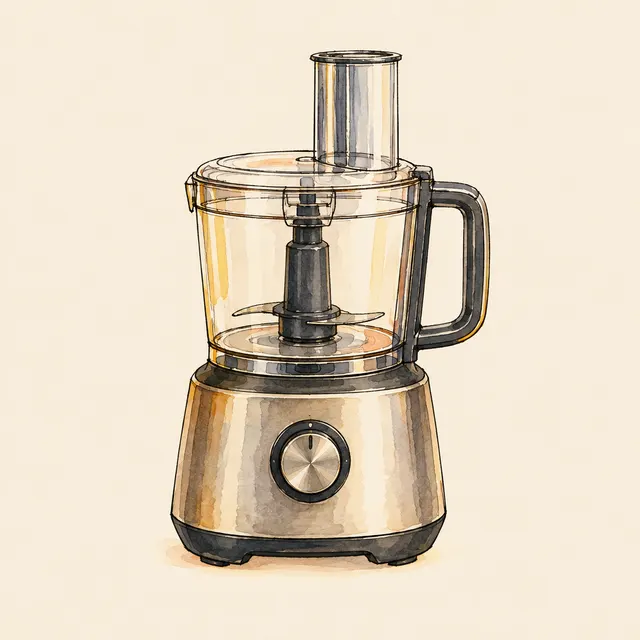
You cannot fix split toum by whipping it harder or adding more oil. You need to build a fresh emulsion base and then drip the broken mixture into it. Put two or three fresh garlic cloves and a pinch of salt in a clean, dry food processor, blend to a smooth paste, then add the broken toum back in a very thin, slow thread with the motor running.
It will pull back together into a thick sauce.
Is it actually split, or just loose?
These two problems look similar and have completely different fixes, so check before you do anything.
- Split: you can see oil separating out, the texture is thin and greasy, and there may be liquid pooling at the bottom. It looks curdled rather than creamy. This needs a rescue.
- Just loose: the sauce is still uniform and white, no visible oil, it is simply thinner than you wanted. This is not broken. Keep drizzling in oil slowly and it will usually thicken up.
Why toum splits in the first place
Nearly every failed batch comes down to one of these, and usually the first one.
- The oil went in too fast. This is the big one. Garlic can only absorb so much oil at a time. The first additions in particular need to be almost drop by drop, and rushing there dooms the batch no matter how careful you are afterwards.
- Not enough garlic for the amount of oil. The garlic is doing all the emulsifying work here, so a lean garlic-to-oil ratio gives you a fragile sauce. If you want a milder toum, make a full-garlic batch and stir it into something else later rather than cutting the garlic down.
- The garlic was old, soft or sprouted. Fresh, firm cloves hold an emulsion far better than tired ones. If your cloves have a green shoot running through the middle, pull it out. It is bitter and it does not bind well.
- It got warm. A food processor running for ten minutes generates real heat, and warm emulsions break. If the bowl feels warm to the touch, stop and let it cool before carrying on.
- The lemon juice went in all at once. Oil and lemon juice should alternate in small additions. Dumping the lemon in at one point floods the emulsion and can break it instantly.
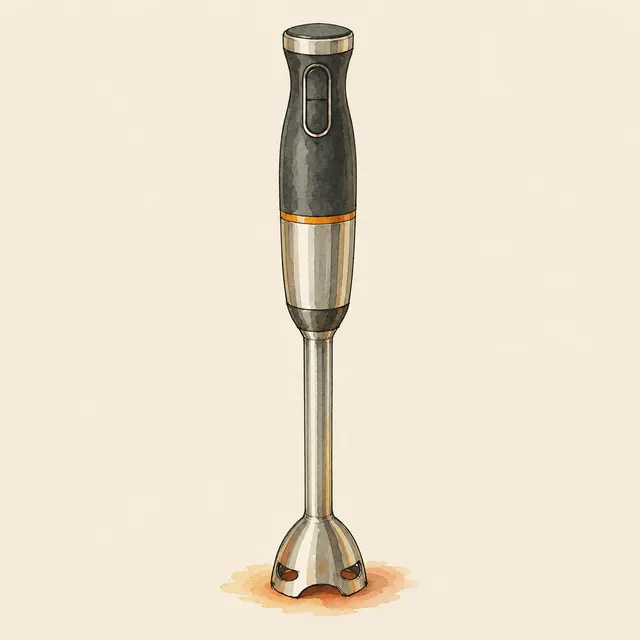
- The batch was too small for the bowl. If the blade is spinning above the garlic instead of through it, nothing emulsifies. Small batches do better in a narrow container with an immersion blender.
How to fix split toum
All three methods work the same way: make a new stable base, then add the broken mixture back into it slowly. Whichever you pick, keep the broken toum in a jug with a spout so you can pour a genuinely thin thread. Speed is what kills it.
Method 1: restart with fresh garlic (traditional and vegan)
This is the proper fix and it keeps the sauce authentic. Clean and dry your processor bowl completely, because stray oil will fight you. Add two to three peeled garlic cloves and a good pinch of salt, then blend until you have a smooth paste with no visible chunks.
With the motor running, start adding the broken toum in the thinnest thread you can manage. Give it thirty seconds or so of steady drizzling before you judge it. Once it starts to look thick and glossy you can speed up slightly, but never pour.
Method 2: restart with a boiled potato (vegan, most forgiving)
If you are out of fresh garlic or you have broken the same batch twice, a small piece of plain boiled potato, cooled and blended to a paste, makes an extremely stable base. Drip the broken toum into it the same way.
The result is a little milder and softer in flavour than a pure garlic toum, and the texture is slightly denser, but it is very hard to break and it stays vegan.
Method 3: restart with an egg white (fastest, no longer traditional)
One egg white in a clean processor, blended for a few seconds, then the broken mixture drizzled in, will rescue almost anything. It is the most reliable method by a distance.
Be clear about the trade-off though: egg makes it a garlic aioli rather than a true toum, it is no longer vegan, and because the egg stays raw you should keep it refrigerated and eat it within a couple of days. I would treat this as the emergency option rather than the default.
What not to do
- Do not add more oil to a split batch. It makes the separation worse, not better.
- Do not blend it faster or for longer. Speed is not the missing ingredient, a fresh emulsifier base is.
- Do not add water. It thins the sauce without giving the emulsion anything to hold onto.
- Do not throw it away. Even a batch that looks hopeless is just an oily garlic mixture, and it will come back with a proper base.
How to stop it splitting next time
- Use fresh, firm garlic and remove any green germ from the centre of the cloves.
- Salt the garlic first and blend it to a completely smooth paste before a single drop of oil goes in.
- Start the oil painfully slowly. The first quarter cup should take a few minutes. After that you can pick up the pace a little.
- Alternate oil and lemon juice in small additions rather than adding either in one go.
- Use a neutral oil. Canola, sunflower or grapeseed. Olive oil turns bitter when it is whipped this hard and it breaks more readily, so save it for drizzling.
- Give it time. A proper batch takes ten to fifteen minutes of patient drizzling. Toum punishes impatience more than almost anything else I make.
What to serve toum with
Once you have a thick batch, it goes with nearly everything off the grill. It is the classic partner for grilled chicken, and it is very good alongside Turkish bulgar and adana kebab, spooned over rice with chicken kabsa, or simply spread on warm flatbread. For more in the same lane, browse the rest of my Middle Eastern recipes.
It is also good alongside kebab rolls and kafta tacos, and it can stand in for the garlic mayonnaise in garlic butter cheesesteak sliders.
Frequently asked questions
Can you fix toum that has split?
Yes, almost always. Blend two or three fresh garlic cloves with a pinch of salt into a smooth paste in a clean bowl, then drizzle the broken toum into it in a very thin thread with the motor running. A cooled boiled potato or an egg white works as the base too.
Why is my toum runny?
Runny and split are different problems. If the sauce is still uniform and white with no oil separating out, it is only loose, and adding more oil slowly will thicken it. If you can see oil separating, it has split and needs a fresh emulsion base.
Can I fix toum without using an egg?
Yes. The traditional fix uses nothing but more fresh garlic, so it stays completely vegan. A small piece of cooled boiled potato blended to a paste also works and is the most forgiving base if the garlic route has already failed you once.
Why does my toum taste bitter?
Two usual culprits. Olive oil turns bitter when it is whipped at high speed, so use a neutral oil like canola or sunflower instead. The other is the green germ in the centre of older garlic cloves, which is sharp and bitter. Pull it out before blending.
Can you use olive oil for toum?
I would not. Olive oil becomes unpleasantly bitter under the high-speed blending toum needs, and it breaks more easily than a neutral oil. Use canola, sunflower or grapeseed for the sauce itself and keep the olive oil for drizzling.
How long does toum keep?
A traditional garlic, oil, lemon and salt toum keeps in a sealed jar in the fridge for up to a month, and the flavour mellows over the first few days. If you rescued yours with an egg white, treat it like any raw egg sauce and finish it within two or three days.
New here? Read Why I Started Simply by Maha.