DinnerChicken kabsa, spiced rice topped with roasted chicken and toasted almonds
Middle Eastern · Dinner

Chicken Kabsa

Chicken kabsa is one of my favorite chicken and rice dishes — full of warm spices, tender chicken, and flavorful rice cooked in a rich homemade broth. Served with daqoos and topped with toasted almonds, it’s such a comforting and delicious meal.

5.0 (5 reviews)
30m
Prep
120m
Cook
150m
Total
4
Serves
medium
Level
Jump to recipe ↓

How to Make Chicken Kabsa

  1. Soak the rice
    Rinse the basmati rice well, then soak it in water until it doubles in size. Drain and set aside.
  2. Prepare the base
    In a large pot, heat the ghee over medium heat. Add the chopped onion, carrot, tomato purée, and chicken stock cube if using. Cook everything together until softened and fragrant.
  3. Add the chicken and seasoning
    Add the chicken to the pot along with all of the spices, aromatics, and salt. Let everything cook together for a few minutes so the chicken gets coated well in all the flavor.
  4. Cook the chicken
    Add enough water to cover the chicken. Bring it to a boil, then lower the heat to a simmer. Cover and cook until the chicken is fully cooked and tender.
  5. Make the daqoos
    While the chicken cooks, blend together the tomatoes, hot peppers, garlic, cilantro, lemon juice, salt, and cumin until smooth. Set aside.
  6. Remove the chicken
    Once the chicken is cooked, remove it from the pot and place it on a baking sheet.
  7. Strain the broth
    Strain the broth from the pot, keeping the liquid and separating out the cooked onions, carrot, and spices. Return the strained broth to the pot. Keep some of the strained cooked mixture to spread over the chicken.
  8. Broil the chicken
    Spread some of the reserved strained onion and spice mixture over the chicken on the baking sheet. Place the chicken under the broiler until the top gets crispy and golden.
  9. Cook the rice
    Add the soaked rice to the strained broth and cook until tender and fluffy.
  10. Toast the almonds
    Toast the chopped almonds until golden.
  11. Assemble and serve
    Plate the rice, place the crispy chicken on top, and finish with the toasted almonds. Serve with the daqoos on the side.

Made this?

Tap a star and let the next cook know how it turned out.

5.0 (5 reviews)

About Chicken Kabsa

Kabsa is the dish that makes the whole kitchen smell like warm spice. It's the national dish of Saudi Arabia and a staple all over the Gulf, and the idea is simple: one pot, where the chicken cooks first in a spiced tomato broth and then the rice goes in to soak up every bit of that flavour. Nothing is wasted, and nothing is plain.

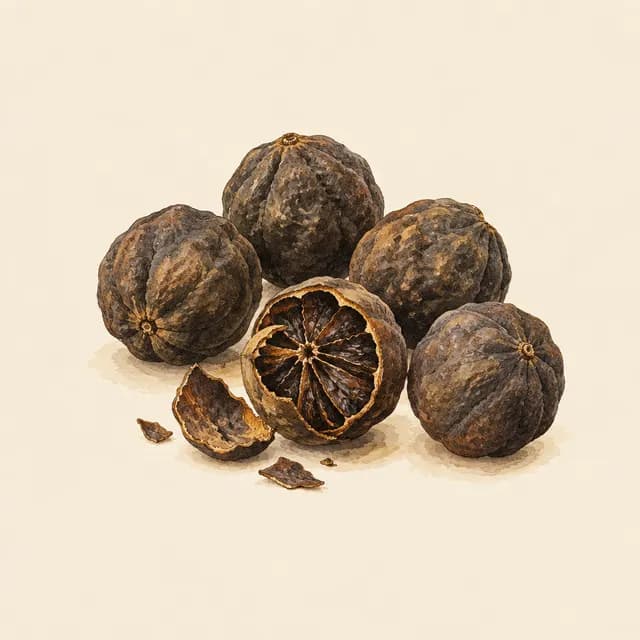
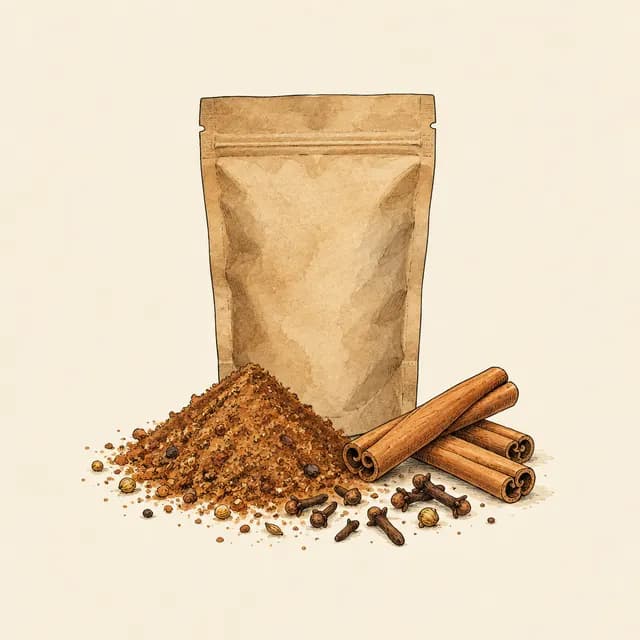
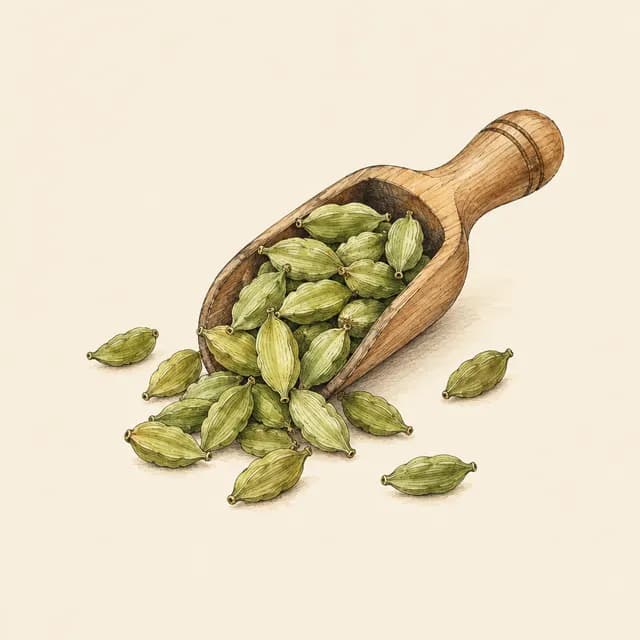
What makes kabsa taste like kabsa is loomi, dried black lime. It gives the rice a tangy, almost smoky background note that you can't quite place but would absolutely miss if it weren't there. Add that to a proper kabsa spice blend (warm cinnamon, cardamom, clove, black pepper, and dried lime ground together) and you get rice with real depth, not just buttery and beige.

I make this when I want one big platter to feed everyone at the table. The chicken comes out tender and falling off the bone, the rice is fluffy and stained gold from the tomato and spice, and the whole thing gets piled onto one dish and shared. It looks like a celebration and tastes like one, but it's genuinely a one-pot weeknight dinner once you know the rhythm of it.

Per serving
  • 640Calories
  • 38gProtein
  • 20gFat
  • 78gCarbs
estimated

Chicken Kabsa Tips and Notes

Why you'll love it

  • One pot, one platter, and it feeds a hungry table or a whole gathering.
  • Dried lime (loomi) gives it that distinctive tangy, smoky depth you only get in real kabsa.
  • Naturally dairy-free, and easy to make gluten-free.
  • The rice cooks in the chicken broth, so every grain is full of flavour, not bland.
  • Mostly hands-off once the rice goes in, so it's easier than it looks.
  • A real centrepiece for Ramadan, Eid, or any time the family is over.

Ingredient notes

Basmati rice: use long-grain basmati, rinse it until the water runs clear, then soak it for 20 to 30 minutes. This is what gives you separate, fluffy grains instead of a sticky clump.

Loomi (dried lime): the soul of the dish. You'll find it whole or ground at any Middle Eastern grocer. If using whole, pierce each one and pull it out before serving. There's no exact substitute, but wide strips of fresh lime zest plus a squeeze of juice get you closer than nothing.

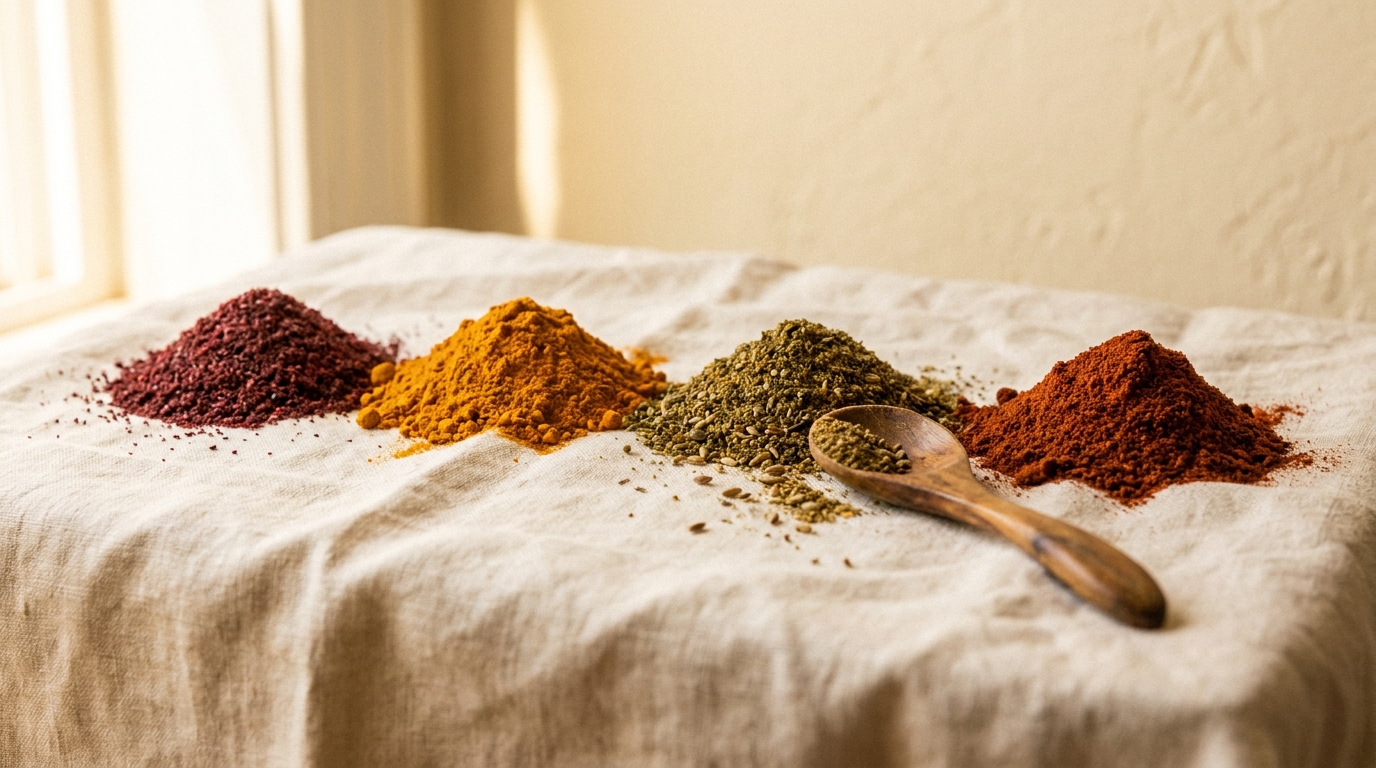
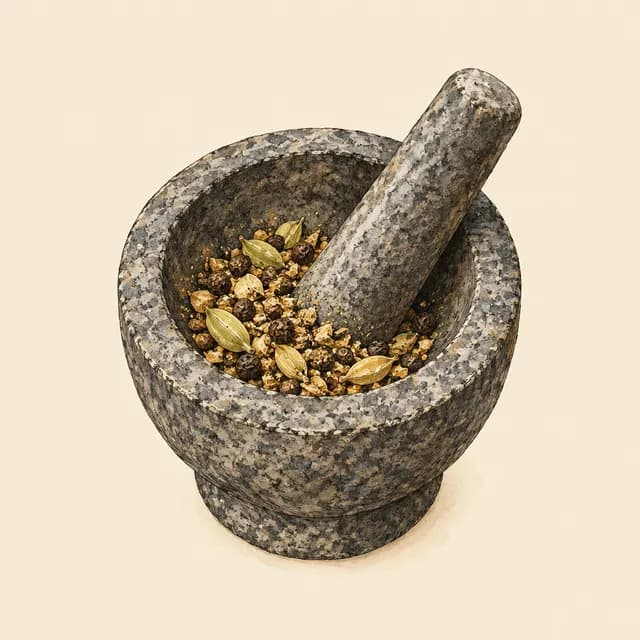
Kabsa spice blend: a pre-mixed kabsa or baharat blend is the easy route. To make your own, combine black pepper, cumin, coriander, cinnamon, cardamom, clove, nutmeg, and ground dried lime.

Chicken: bone-in, skin-on thighs and drumsticks give the most flavour and stay juicy. Boneless works but the broth will be lighter.

Tips & tricks

Brown the chicken first. Real colour on the skin before the broth goes in is where a lot of the deep flavour comes from, so don't rush it.

Bloom the spices. Stir the kabsa spice into the onions and oil for a minute before adding liquid, so the spices wake up instead of tasting raw.

Don't stir the rice once it's in. Stirring releases starch and makes it gluey. Add the rice, level it, cover, and leave it alone.

Rest it covered for 10 minutes off the heat before fluffing, so the grains finish steaming and firm up.

Storage & make-ahead

Fridge: store leftovers in an airtight container for up to 4 days, with the chicken on top of the rice so it doesn't dry out.

Freeze: the rice freezes well for up to 2 months. Cool it fully first, then freeze flat.

Reheat: sprinkle over a tablespoon of water, cover, and warm gently on the stove or in the microwave until steaming. The splash of water is what keeps the rice from going hard.

Variations

Lamb kabsa: swap the chicken for bone-in lamb and simmer longer until tender. This is the classic festive version.

Toppings: finish with crispy fried onions, toasted almonds or pine nuts, and a handful of raisins for the sweet-savoury contrast many families love.

Heat: kabsa is fragrant rather than spicy. Serve the heat on the side as daqus (blended tomato, garlic, and chilli) so everyone adds their own.

Vegetable kabsa: skip the meat, use a rich vegetable stock, and fold in roasted carrots, chickpeas, and potato.

Learn the staples

Master the Middle Eastern basics

Chicken Kabsa FAQs

Kabsa is a spiced one-pot chicken and rice dish from Saudi Arabia and the wider Gulf. Chicken is browned and simmered in a spiced tomato broth, then basmati rice cooks in that same broth so every grain is full of flavour. It's served as one big shared platter, usually with a sharp tomato chilli sauce on the side.
Loomi is dried black lime, and it's what gives kabsa its signature tangy, slightly smoky background flavour. There's no exact substitute, but if you can't find it, a few wide strips of fresh lime zest plus a squeeze of lime juice added near the end will get you partway there.
All three are spiced rice dishes, but the method differs. Kabsa cooks the meat and rice together in one pot of spiced tomato broth. Mandi traditionally cooks the meat separately (often smoked) and the rice in its stock. Biryani is South Asian, layered, and usually hotter and more heavily spiced.
Long-grain basmati. Rinse it until the water runs clear and soak it for 20 to 30 minutes before cooking so the grains stay separate and fluffy.
Not really. Kabsa is warm and fragrant from spices like cinnamon, cardamom, and clove, but it isn't hot. The heat traditionally comes from daqus, the tomato-chilli sauce served on the side.
Yes. You can brown the chicken and build the spiced broth earlier in the day, then cook the rice fresh before serving. Fully cooked leftovers keep for up to 4 days and reheat well with a splash of water.
A shared platter of kabsa is classically served with daqus (a sharp tomato and chilli sauce), a simple chopped salad, and sometimes plain yogurt. Fried onions, toasted nuts, and raisins scattered on top are popular too.
You can, but it's the flavour that makes kabsa taste like kabsa, so the result will be milder and more like a general spiced rice. If you skip it, brighten the dish at the end with fresh lime zest and juice.
Join in

Reviews & Tips

Loading reviews…