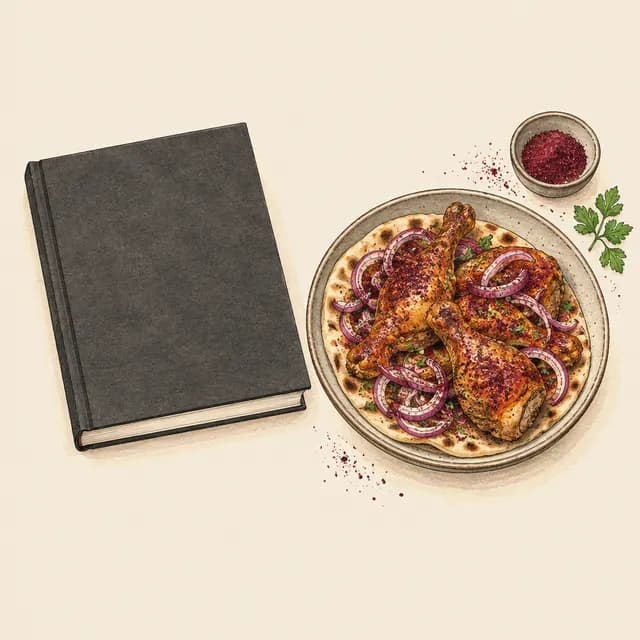
DinnerFattet musakhan with sumac chicken, crispy bread and yogurt sauce
Middle Eastern · Dinner

Fattet Musakhan

This is my favorite twist on traditional Palestinian musakhan — layered with crispy bread, creamy yogurt sauce, and a rich chicken and onion mixture full of sumac flavor. It’s comforting, flavorful, and so good for sharing.

5.0 (3 reviews)
60m
Prep
30m
Cook
90m
Total
12
Serves
medium
Level
Jump to recipe ↓

How to Make Fattet Musakhan

  1. Cook the onions
    In a large pan, heat the olive oil over medium heat. Add the sliced red onions and cook slowly until softened and deeply caramelized.
  2. Season the onion mixture
    Add the sumac, pomegranate molasses, cumin, cinnamon, salt, and black pepper. Stir well until the onions are fully coated and fragrant.
  3. Add the chicken
    Add the shredded chicken to the pan and mix well with the onion mixture until everything is evenly combined and heated through.
  4. Prepare the yogurt sauce
    In a bowl, mix together the yogurt, tahini, crushed garlic, lemon juice, and salt until smooth and creamy. Adjust the lemon and salt to taste.
  5. Prepare the bread
    Cut the pita bread into small squares, then fry or air-fry until golden and crispy.
  6. Assemble the fattet musakhan
    In your serving dish, start with the crispy pita bread as the base. Spoon the yogurt sauce over the bread, then top with the chicken and onion mixture.
  7. Garnish
    Finish with toasted pine nuts or slivered almonds, freshly chopped parsley, and pomegranate seeds if using.
  8. Serve
    Serve right away while the bread still has some crunch and everything is fresh.

Made this?

Tap a star and let the next cook know how it turned out.

5.0 (3 reviews)

About Fattet Musakhan

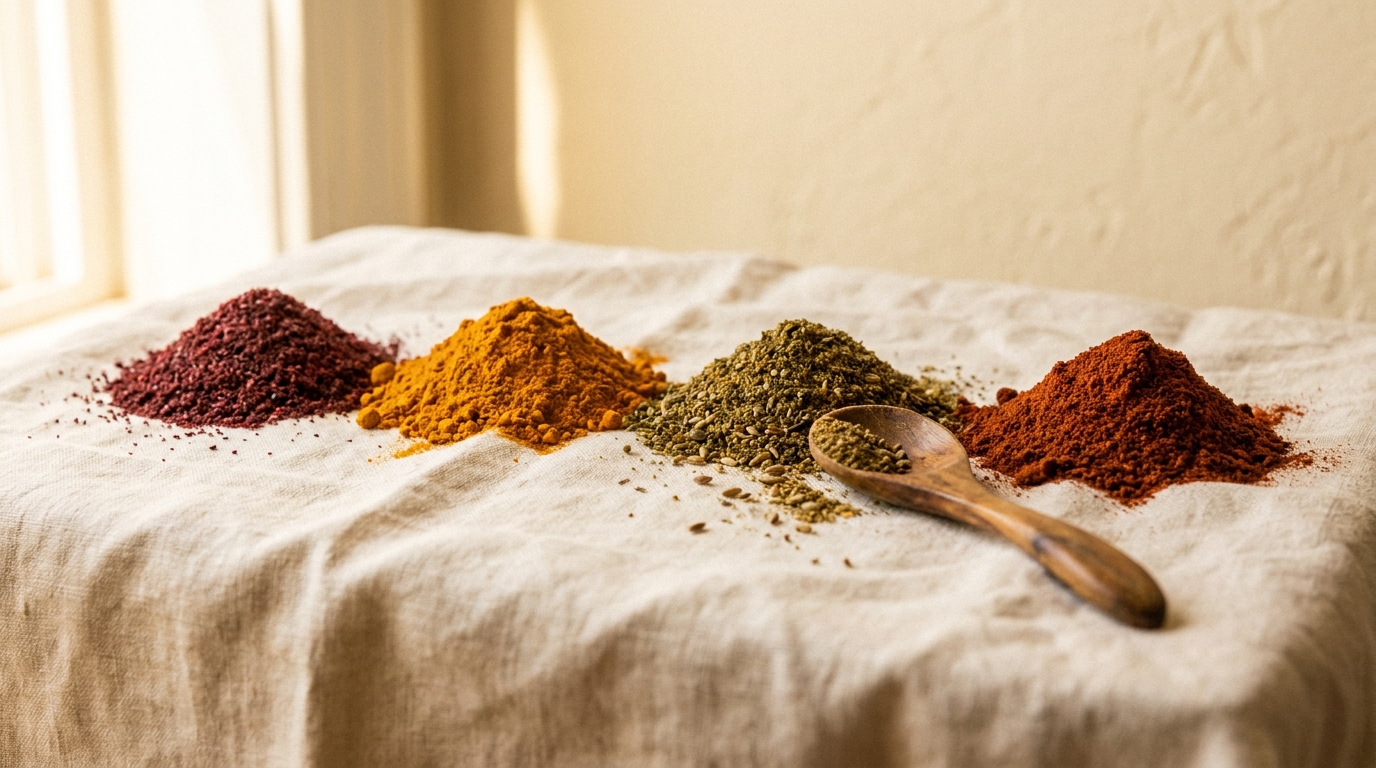
Musakhan is, to me, one of the great Palestinian dishes, and this is my fatteh take on it. The original is roast chicken rubbed in sumac and piled onto taboon bread with a small mountain of onions cooked down until they are sweet and almost jammy, all finished with toasted pine nuts. It is a national-treasure kind of dish, the sort people make for a gathering and eat with their hands. I take that same flavour and build it in layers over crisp bread, the way you would a fatteh.

What makes it sing is sumac, the tangy, deep-red spice that gives musakhan its signature sourness, and the onions, which need a long, slow cook to turn soft and sweet rather than sharp. Done this way you get real contrast in every bite: bread that is crunchy at the edges and soft where the juices have soaked in, tangy sumac chicken, sweet onions, and a little crunch from the pine nuts on top.

Building it as a fatteh has a few advantages over the classic. It comes together faster, it is a brilliant way to use up leftover roast or rotisserie chicken and bread that is past its best, and it goes straight onto one platter in the middle of the table for everyone to dig into. It feels generous and celebratory without much fuss.

I make this when I want the flavours of musakhan on a normal night, or when I have people over and want something that looks like an occasion. Serve it warm, straight from the dish, with a cooling yogurt or a simple salad on the side, and it rarely lasts long.

Per serving
  • 540Calories
  • 32gProtein
  • 28gFat
  • 40gCarbs
estimated

Fattet Musakhan Tips and Notes

Why you'll love it

  • It turns leftover chicken and day-old bread into something that tastes like you fussed.
  • All the flavour of musakhan with the cosy, layered texture of a fatteh.
  • The sumac and onions do the heavy lifting, so the spice list stays short.
  • It feeds a crowd from one tray and reheats well.
  • Crispy edges and soft, juicy middle in the same bite.
  • Naturally good for using up odds and ends in the fridge.

Ingredient notes

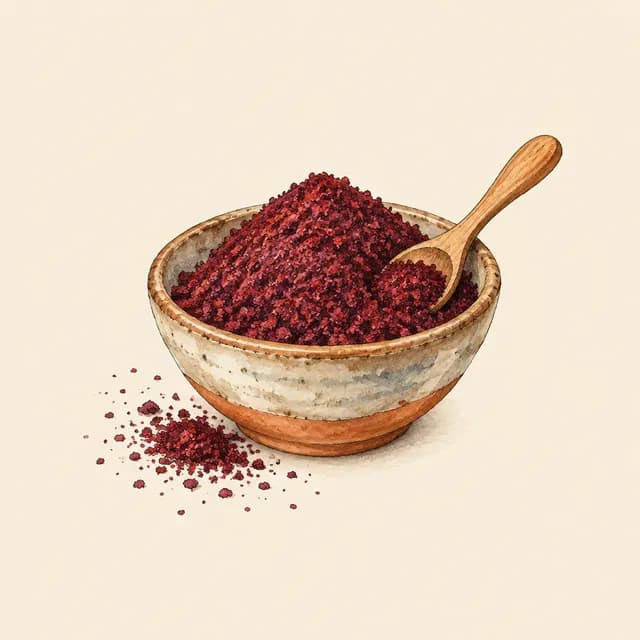
Sumac: this is the whole point of the dish, so use plenty and use a fresh jar. Old sumac goes flat and dusty and you lose the sourness. Good sumac smells sharp and tart and stains your fingers deep red.

Onions: yellow or white onions both work. You want a lot of them, more than feels right, because they cook down to almost nothing. Slice them thin so they soften evenly.

Bread: taboon or any thin flatbread is traditional, but pita, lavash, or even torn-up Arabic bread all crisp up beautifully. Slightly stale bread actually crisps better than fresh.

Pine nuts: toast them in a dry pan or in a little oil until just golden, then pull them off the heat straight away. They go from golden to burnt in seconds, so don't walk away.

Chicken: poached, roasted, or leftover rotisserie all work. Shred it rather than chop it so it tangles in with the onions instead of sitting in chunks.

Tips & tricks

Cook the onions low and slow until they're soft and golden, not browned hard. This usually takes 25 to 35 minutes. Rushing them on high heat gives you bitter, scorched onions instead of sweet jammy ones.

Crisp the bread separately first, either in the oven at 200C until golden or in a dry pan. If you layer soft bread under everything from the start, the whole base turns to mush.

Add the warm broth a little at a time, not all at once. You want the bread softened and savoury, not swimming. A few spoonfuls go further than you'd think.

Toss the shredded chicken with a good pinch of sumac and a little of the onion oil before layering, so the meat itself carries flavour instead of just sitting there plain.

Assemble and serve quickly once it's built. Fatteh is best eaten while the bread still has some bite. The longer it sits, the softer the bottom gets.

Storage & make-ahead

Keep leftovers in the fridge, covered, for up to 3 days. The bread will keep softening as it sits, so the texture changes, but the flavour holds up well.

I don't freeze this assembled, since the bread turns to paste. Freeze the cooked sumac chicken and onions on their own for up to 2 months, then build fresh with newly crisped bread.

Reheat in a hot oven (around 200C) rather than the microwave so the top bread re-crisps a little. Add a splash of warm broth if it's looking dry.

Variations

Add a layer of garlicky yogurt over the top, the way a lot of fatteh dishes are finished. The cool tang against the warm sumac chicken is lovely.

Swap chicken for roasted chickpeas to make it vegetarian. You still get the sumac and onion magic, just with a different protein.

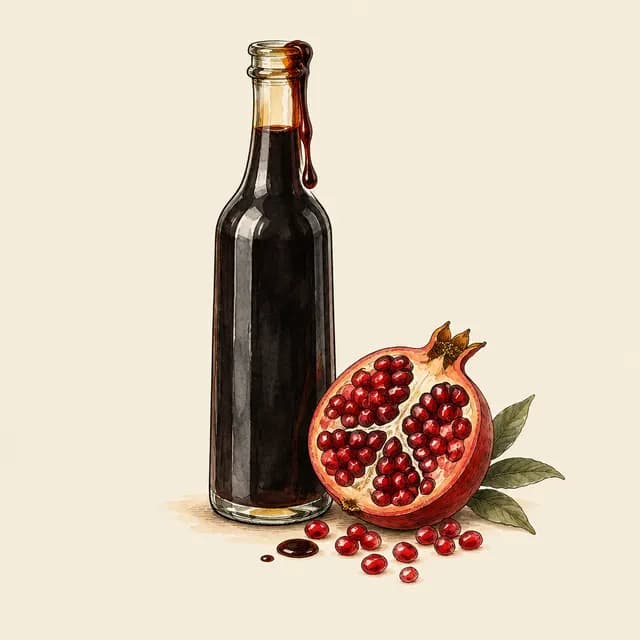
Stir a spoon of pomegranate molasses into the onions for an extra sour-sweet edge, and scatter fresh pomegranate seeds on top for colour and pop.

Use roasted cauliflower instead of, or alongside, the chicken. It soaks up the sumac beautifully and adds a nutty depth.

Learn the staples

Master the Middle Eastern basics

Fattet Musakhan FAQs

It is a mashup of two Palestinian and Levantine dishes. Musakhan is sumac chicken with caramelised onions on flatbread, and fatteh is a layered dish built over crisped or toasted bread. Fattet musakhan layers sumac chicken and onions over crisp bread, often softened with a little warm broth.
Musakhan is a traditional Palestinian dish, widely considered one of the country's national dishes. It is classically roast chicken seasoned heavily with sumac, served over taboon flatbread with sweet slow-cooked onions and toasted pine nuts.
Taboon, the traditional Palestinian flatbread, is the classic base. If you cannot find it, any thin flatbread works: pita, lavash, or markook. Slightly stale bread actually crisps up better than fresh, which makes this a great way to use up older bread.
Yes, and it makes this much faster. Shred leftover roast or rotisserie chicken, toss it with sumac and a little of the onion oil so it carries flavour, then layer it in. It is one of the best uses for leftover chicken I know.
You can prep the parts ahead. Cook the sumac chicken and onions up to 3 days in advance and crisp the bread the same day. Assemble just before serving so the bread keeps its crunch.
There's no perfect swap because sumac's tartness is the signature flavour, but a squeeze of lemon plus a little lemon zest gets you in the right direction. Try to buy sumac if you can, since the dish really leans on it.
Crisp the bread separately before assembling and add the broth sparingly, a few spoonfuls at a time. Serve it soon after building it, because the base softens the longer it sits.
Yes. Swap the chicken for roasted chickpeas or roasted cauliflower. The sumac and slow-cooked onions carry the dish, so it works beautifully without meat.
A simple green salad, some pickles, and plain or garlicky yogurt are all you need. It's a full meal on its own, so keep the sides light.
They were cooked too fast on heat that was too high, which scorches them before they sweeten. Cook them low and slow, 25 to 35 minutes, until they're soft and golden, not dark and crisp.
Join in

Reviews & Tips

Loading reviews…